DIY INTAKE KIT
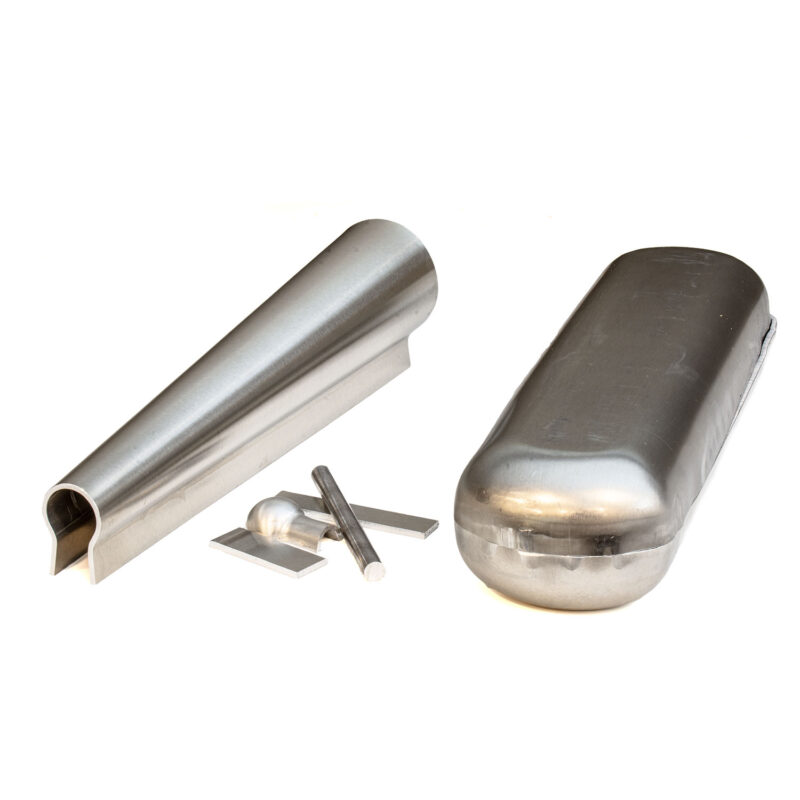
Dual Plenum DIY kit — 440 mm
440 mm · 3/4-cylinder and V6/V8 applications.

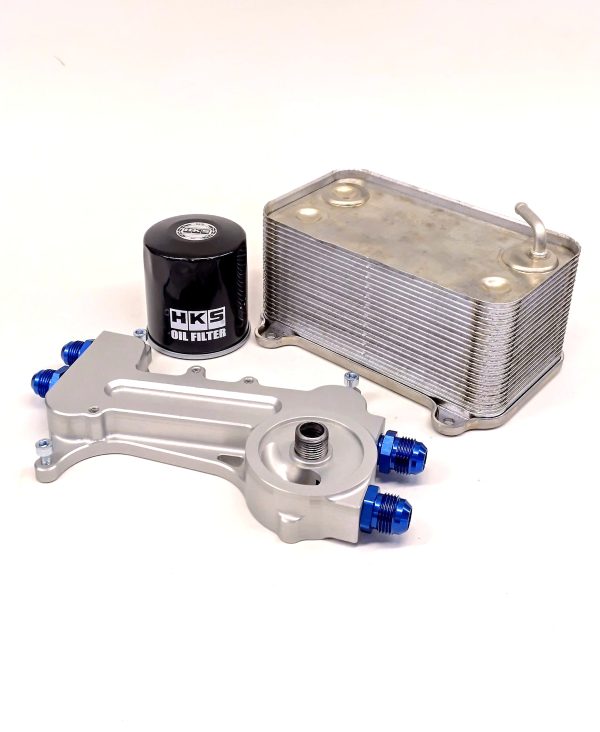
Dual-plenum intake kits, precision interfaces, runner components, exhaust silencers and oil-to-water cooling. Built around your next project.
Dual-plenum kits, runner components, machined interfaces and stainless silencers. Find the part, then explore the details.
440 mm · 3/4-cylinder and V6/V8 applications.
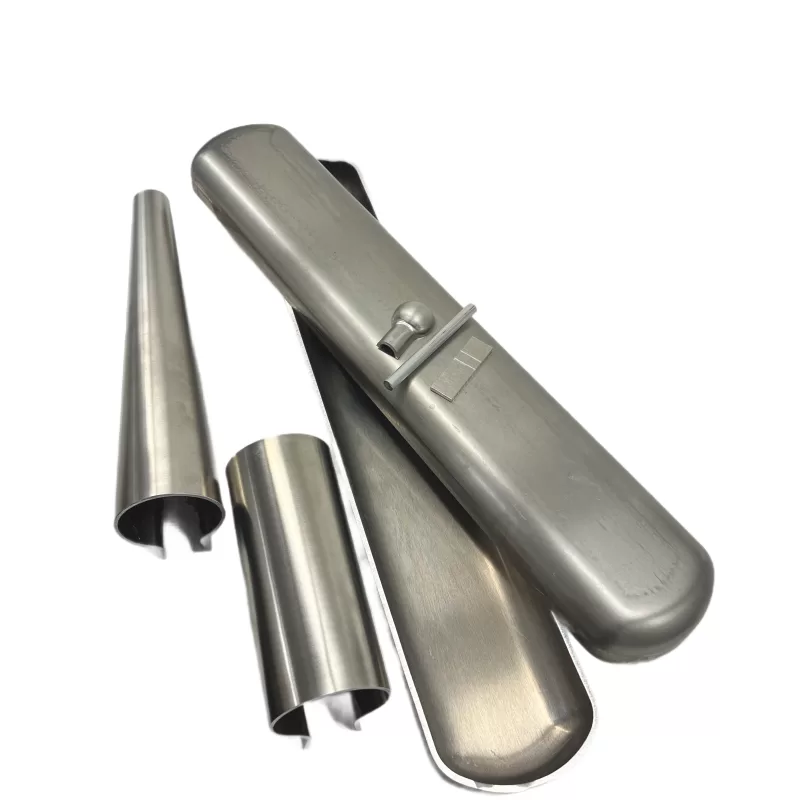
650 mm · 5/6-cylinder and V10/V12 applications.
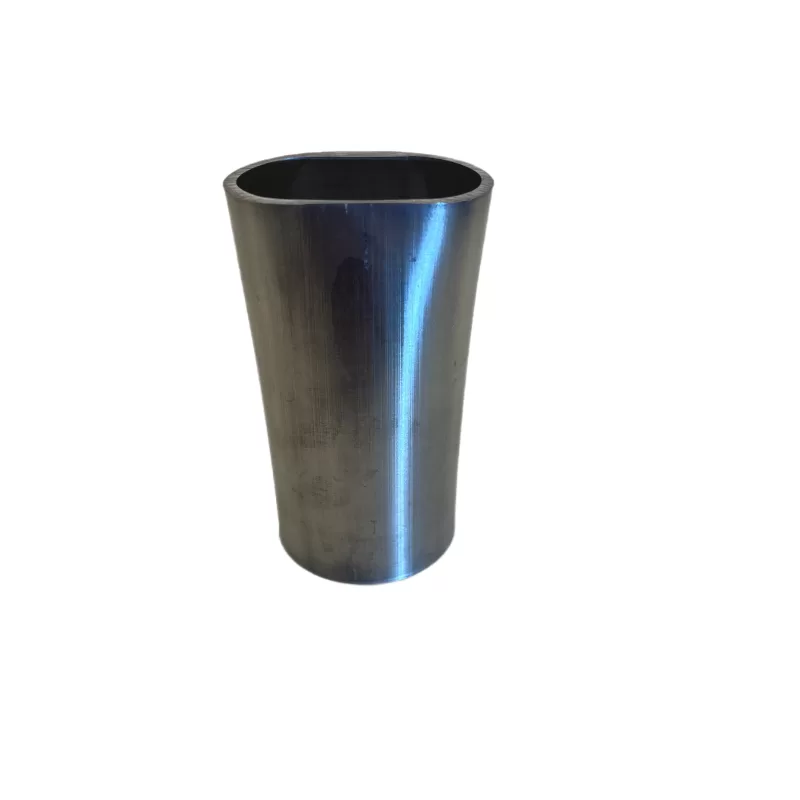
Check the runner geometry for your application.
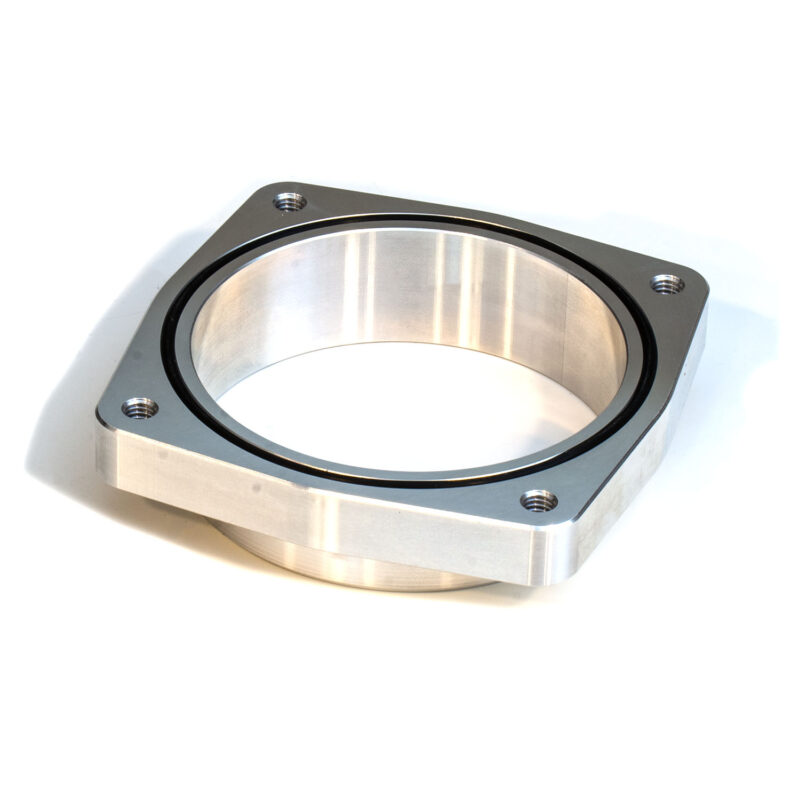
Check the throttle-body pattern and dimensions.
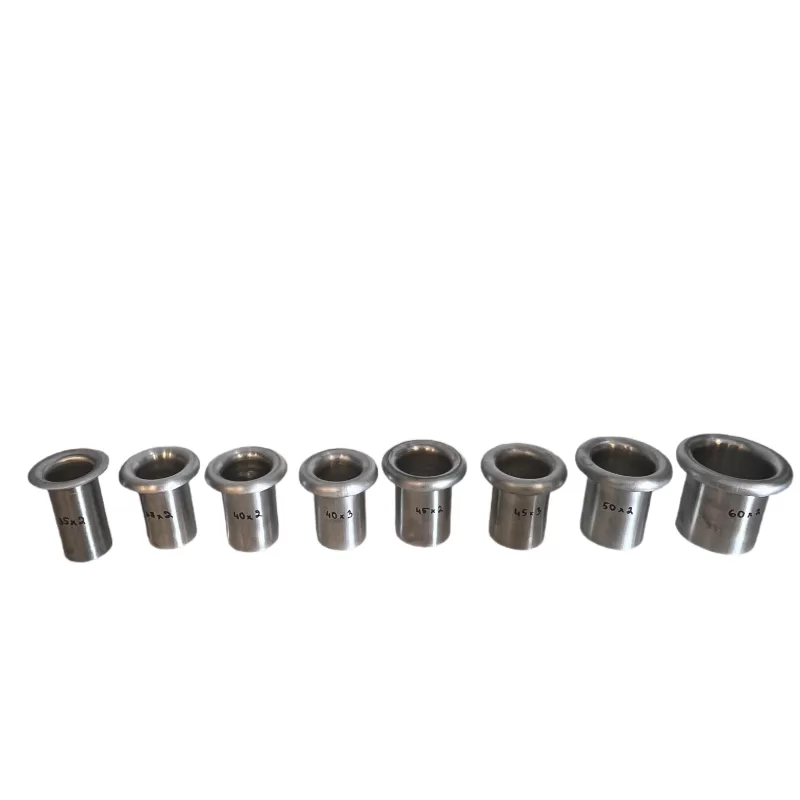
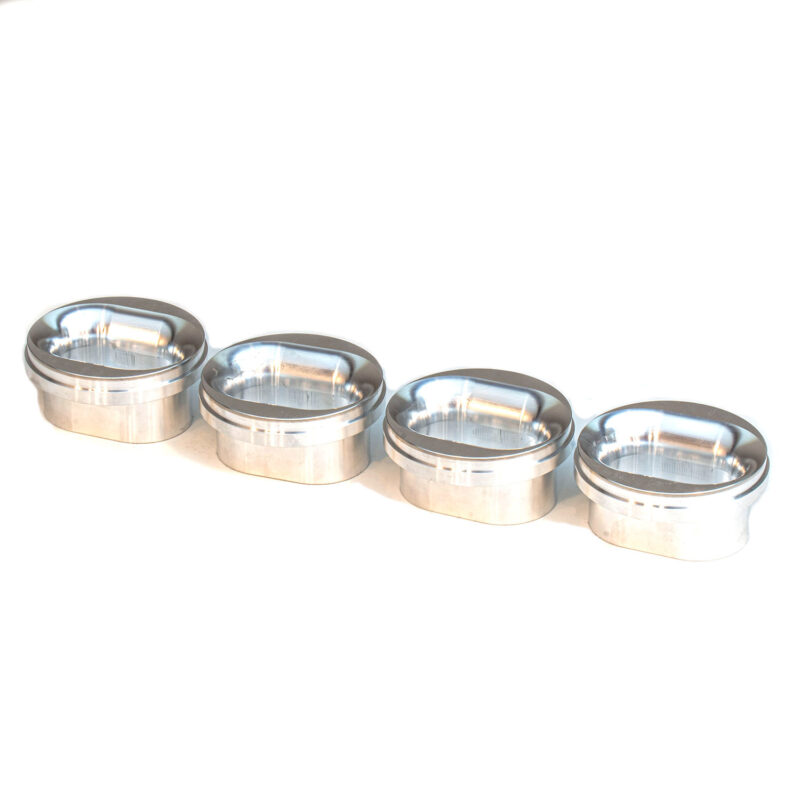
A dedicated component for an oval runner profile.
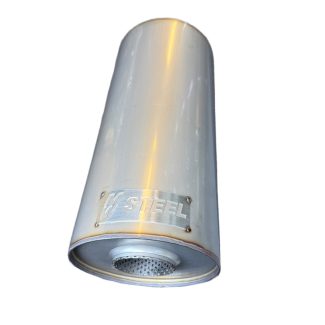
Choose body length and connections in the shop.
Choose body length and connections in the shop.
Check product specifications, fitment, prices and availability in the MWSteel shop.

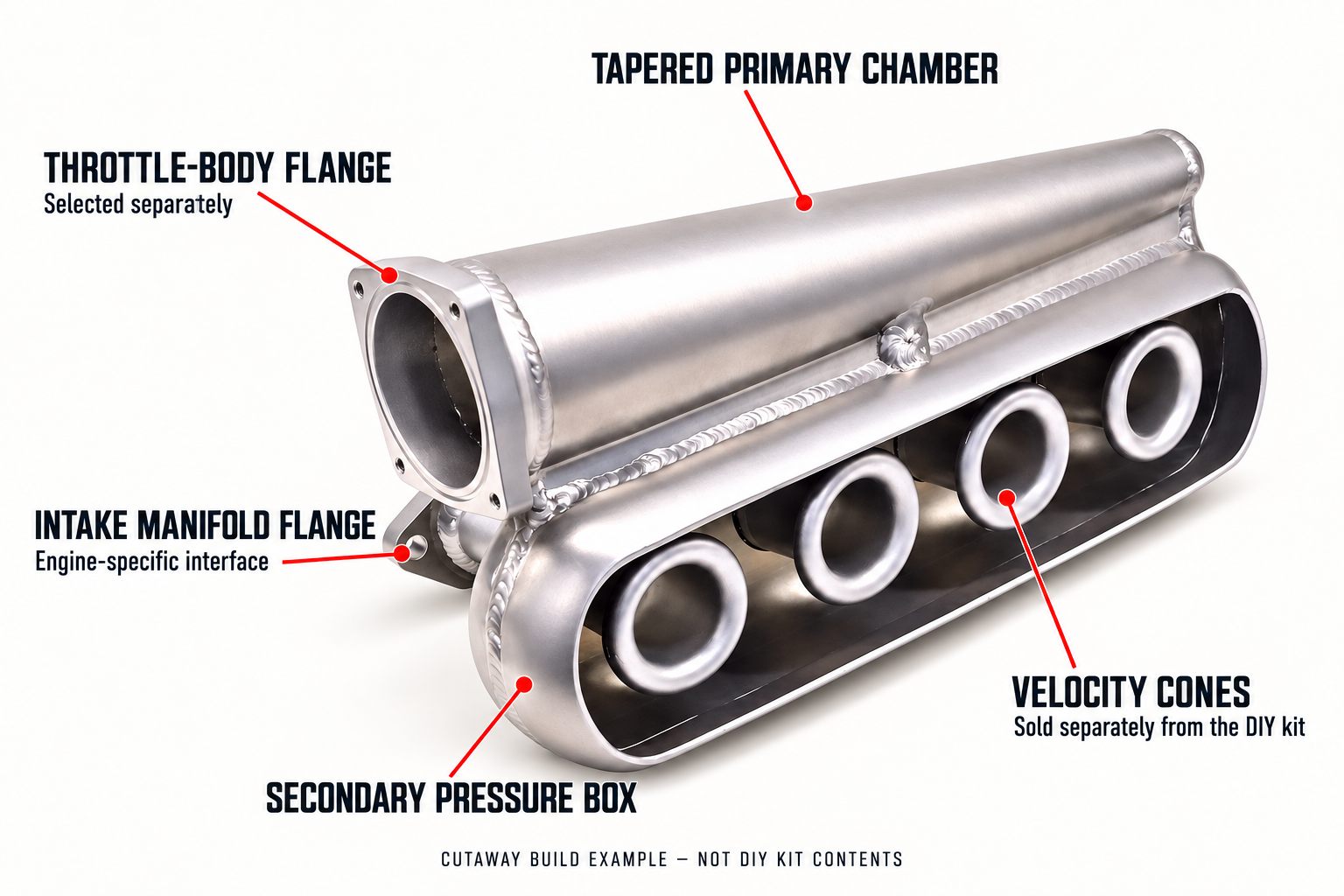
Start with purpose-made components and concentrate your workshop time on packaging, assembly and the details that make the build yours.
Explore finished manifolds alongside our signature DIY kits.

Check fitment, included components and current availability in the shop.
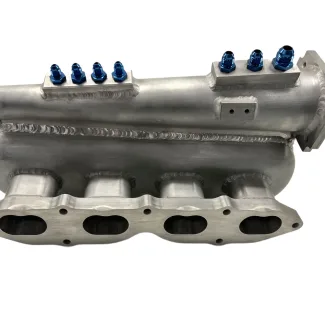
Check fitment, included components and current availability in the shop.
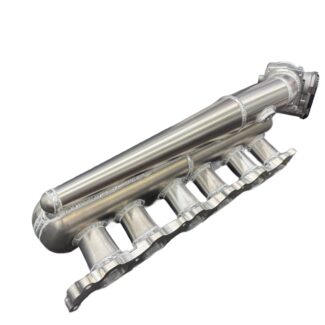
Check fitment, included components and current availability in the shop.
Confirm fitment and included components for your application.
The strongest components solve a fabrication problem before the first cut is made. The MWS approach connects machined accuracy with practical assembly, adaptable geometry and clean finishing.
From individual engine builds to complete competition projects, the final result belongs to the fabricator. This is where engineering decisions become real packaging, real detail and real character.
Clear product architecture is only part of the job. Technical notes, fitment guidance and fabrication thinking help builders make informed decisions before material is cut.
Key packaging questions to consider when planning a custom intake system.
A practical overview of interfaces, dimensions and fabrication order.
Workshop fundamentals for clean fit-up and controlled welding.
Product updates, build stories and the thinking behind the components. Explore the MWS blog.